
The conclusion of Canada’s landmark trade delegation mission to China-marking one of the most substantial trade re-engagements between the two nations in decades-has established a renewed commercial roadmap for cross-border enterprise. Led by senior federal ministers alongside senior executives and industry leaders, the mission targeted key economic hubs including Beijing, Shanghai, and Guangzhou. For Chinese-Canadian entrepreneurs, importers, technology founders, and supply-chain logistics professionals, this trade momentum creates a direct commercial bridge connecting Canadian resource innovation with China’s expanding consumer and industrial markets.
Breakthrough Commercial Agreements Across Clean Tech, Agri-Food & Mass Mobility
During high-level bilateral dialogues, Canadian delegation representatives and Chinese enterprise leaders established strategic commercial accords and trade alignment frameworks valued at billions in reciprocal trade potential. Key sectoral breakthroughs include:
1. Clean Energy & Decarbonization Technologies – Multi-party agreements focus on hydrogen fuel cells, industrial energy storage, smart grid deployment, and joint carbon reduction initiatives. Canadian clean-tech developers in British Columbia and Ontario are leveraging these frameworks to scale zero-emission technologies in major industrial centers.
2. Agricultural Trade & Tariff Relief – Significant progress was achieved in stabilizing agricultural trade, headlined by the reduction of combined Chinese import tariffs on Canadian canola seed from roughly 85% down to 15%, alongside temporary duty suspensions on canola meal, peas, lobster, and seafood. These measures reopen multi-billion-dollar export corridors for Canadian producers and specialized agri-tech ventures.
3. Advanced Manufacturing & EV Supply Chains – Strategic frameworks cover green transport infrastructure, including quota allocations for affordable electric vehicles and agreements on modern mass timber construction technologies for urban development.
Growth Opportunities for Local Chinese-Canadian Small and Medium Enterprises (SMEs)
The bilateral trade reset directly benefits Canada’s small and medium-sized enterprise sector, where Chinese-Canadian business owners play a vital commercial role. Local diaspora enterprises are exceptionally positioned to leverage bilingual capabilities, cultural fluency, and established supply network contacts to capitalize on new market avenues:
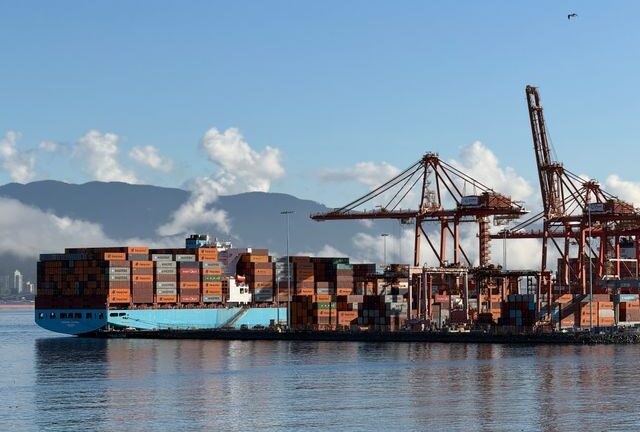
1. Cross-Border Freight & Customs Facilitation – Specialized freight forwarders, logistics brokers, and distribution agencies can tap into expanding freight volumes moving through West Coast ports like Vancouver and Prince Rupert.
2. Commercializing Cleantech & Agri-Food Exports – Local trade advisories and import-export houses can serve as primary distribution channels for Canadian processed agri-food, seafood, and environmental technology entering Asian consumer markets.
3. Strategic Joint Venture Acceleration – Restored trade channels provide structured platforms for Chinese-Canadian tech founders seeking R&D scaling partnerships, cross-border hardware integration, or venture capital participation through regional bodies like the Canada China Business Council (CCBC).
Expedited Business Mobility & Corporate Visa Workflows Under Discussion
To support sustained commercial collaboration, government officials and international labor stakeholders engaged in targeted discussions to streamline corporate mobility and executive travel workflows. Priority administrative objectives include:
1. Streamlined Corporate Visa Processing – Reciprocal administrative measures aim to accelerate processing timelines for short-term business visas (M Category), corporate visit permits, and trade delegation travel passing through the Chinese Visa Application Service Center (CVASC) network.
2. Corporate Travel Protocols & Flight Expansions – Bilateral dialogues emphasize expanding direct transpacific commercial flights between major hubs like Toronto, Vancouver, Beijing, and Shanghai to reduce transit friction for corporate executives.
3. Enhancing Institutional Trade Frameworks – Elevated trade outcomes support long-term economic alignment under the bilateral Economic and Trade Cooperation Roadmap, establishing greater regulatory predictability and commercial stability for cross-border investors.
By leveraging official trade commissioner resources and engaging with regional business councils, Chinese-Canadian entrepreneurs can secure a competitive advantage in expanding cross-border commercial operations.