
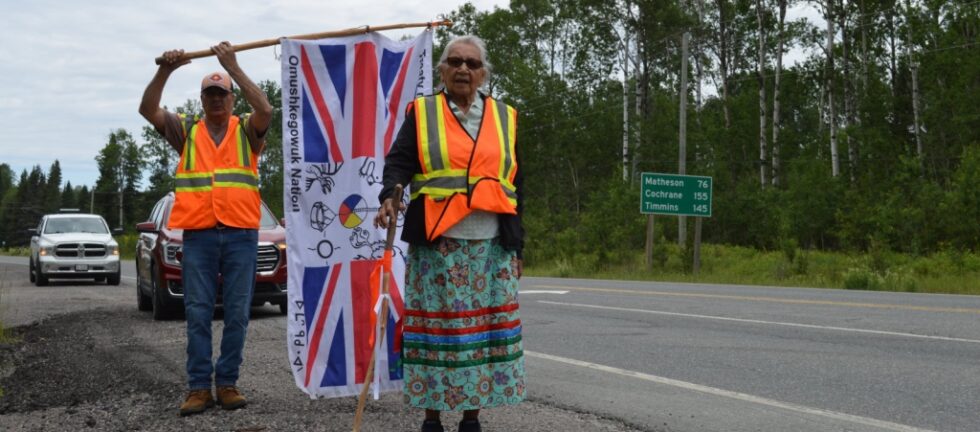
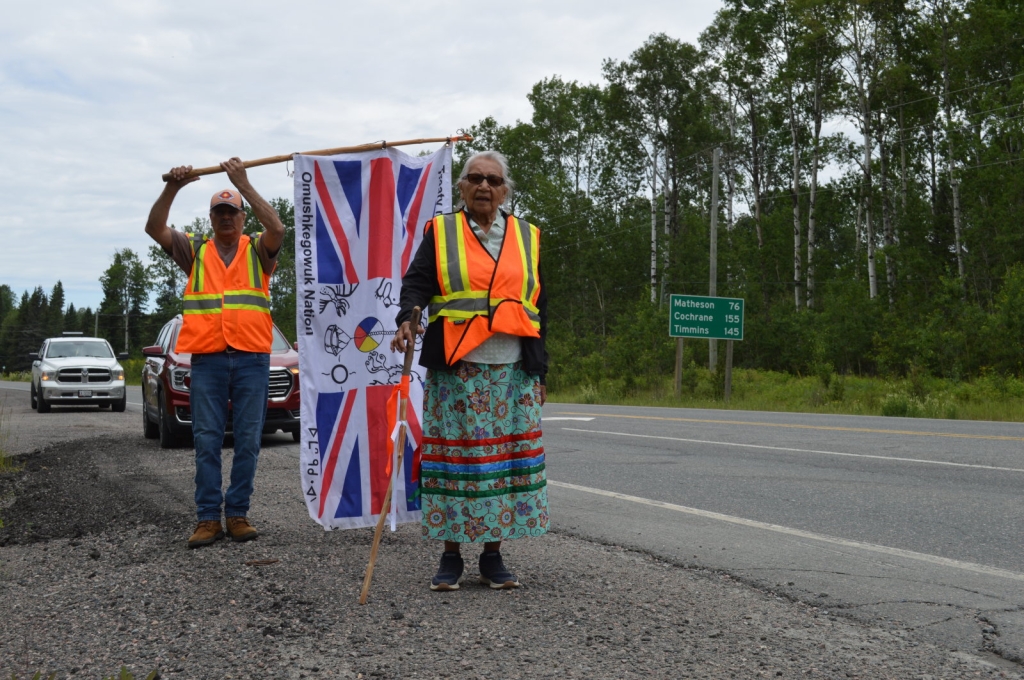
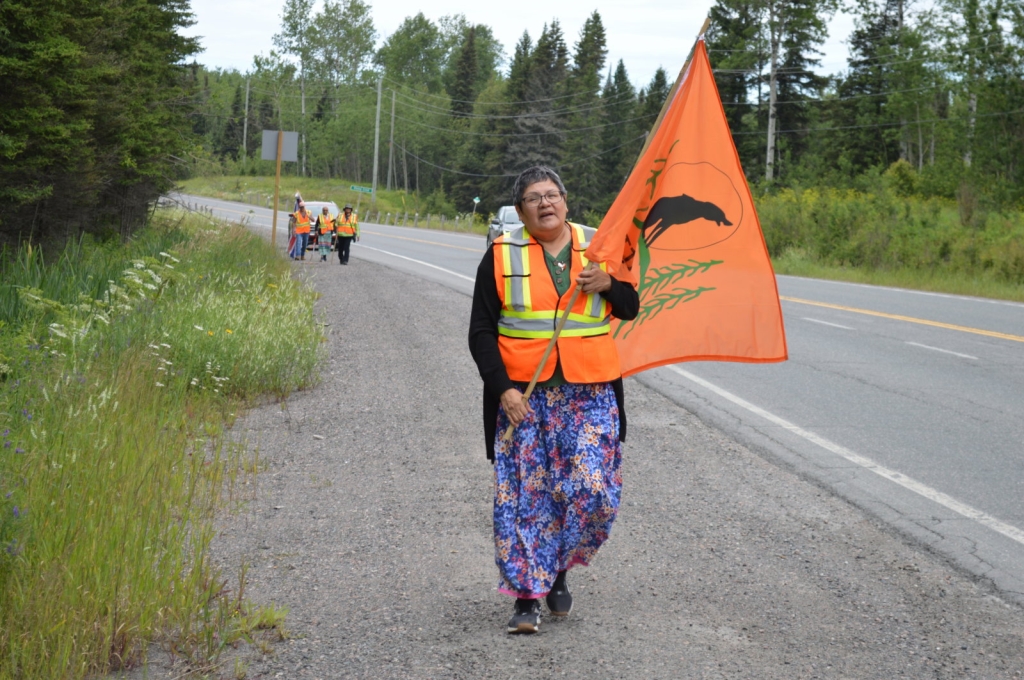
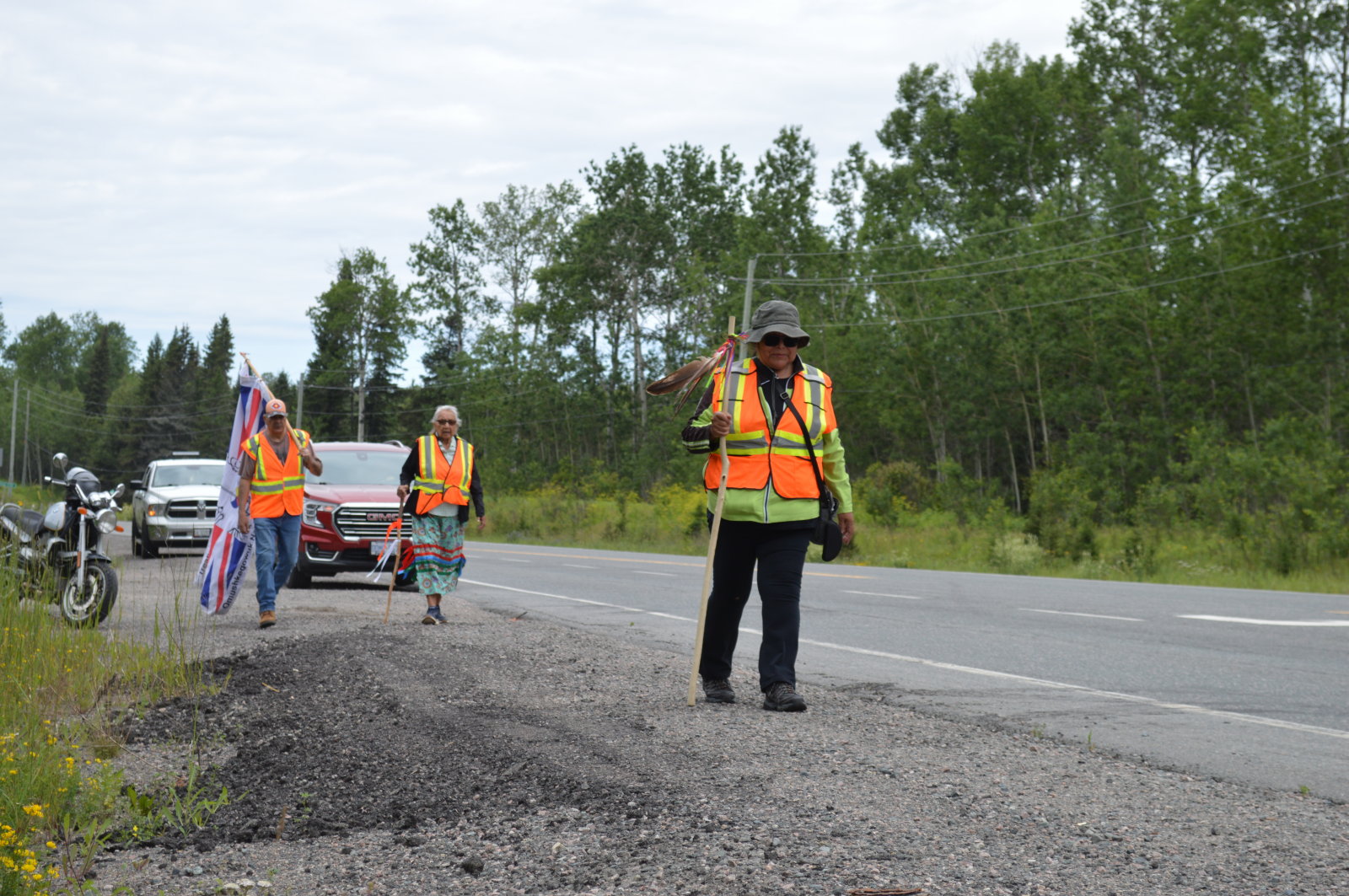
Just two weeks ago, a handful of determined Indigenous youth set out on foot from Timmins, bound for Queen’s Park in Toronto. Their mission? To demand that Ottawa and Queen’s Park repeal two pieces of legislation – Ontario’s Bill 5, the “Protect Ontario by Unleashing our Economy Act,” and Canada’s Bill C-5, which amends the Building Canada Act – both fast-tracking major resource and infrastructure projects without proper input from the communities they affect.
Leading the charge is 29-year-old Tristan Ashishkeesh of Attawapiskat First Nation. As traffic thundered past on Highway 11, he explained, “We’re not against development. We just want genuine consultation.” He’s heard the promises that Indigenous peoples will be “equal partners” in these ventures – and share in the profits – but in his experience, those assurances rarely translate into boardrooms or decision-making tables. “We see our people working the mines and the mills, but almost never managing them,” he said.
Their walk – named Mahmo Inninuwuk Wiibuseego-stamok, a James Bay Cree phrase meaning “uniting the people to stand together” – is more than a protest. It’s a rolling gathering, with supporters joining for five-kilometre stints, carrying water and snacks, or simply walking alongside for solidarity. By the first weekend of August, they’d celebrated their arrival in North Bay, cheered on by locals who lined the streets with water bottles and “Stay Strong” signs.
Their ask is simple: before breaking ground on pipelines, highways, or mines, governments must first tackle the deep-rooted crises in many First Nations communities – boil-water advisories, overcrowded housing, chronic underfunding of schools and health care. “You have third-world conditions inside Canada,” Tristan reminded reporters. “Fix those first, then let’s talk about economic growth – together.”
He’s also calling for a summit at Rideau Hall, bringing together treaty and hereditary chiefs, elected First Nations leaders, the prime minister, premiers, and the governor general. It would be a chance to hash out solutions face-to-face, in the spirit of the original treaties.
Environmentalists and municipal leaders have begun to take notice, too. Several northern mayors have pledged their support, pointing out that speedy approvals often sideline local concerns – whether about clean drinking water, wildlife habitats, or the future of traditional hunting grounds. “When the forests and rivers disappear, what happens to our way of life?” Tristan asked.
Despite some negative reactions on social media, the walkers say the overwhelming response has been one of kindness. Every morning, they pack up camp, lace on their boots, and hit the road again – joined by new faces who bring fresh snacks, warm encouragement… and sometimes a pillow for a short rest before the next leg.
You can follow their progress on Facebook at Mahmo Inninuwuk Wiibuseego-stamok. Their story is still unfolding, but one thing is clear: these young people aren’t waiting for change – they’re walking toward it.